
Springing into Outdoor Play Season
Lighter days lead to nearly 3x more time outdoors
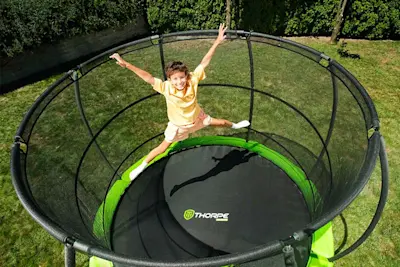
When it’s still light later on, there’s more time to be outside, whether that’s after school, after dinner or across the weekend. Instead of everything wrapping up early, there’s time to stay out longer, whether that’s riding bikes, using scooters, playing in the garden or heading to the park.
You can see the scale of that change clearly in how much time kids actually spend outside. In winter, children average around 48 minutes a day outdoors. By summer, that rises to nearly three hours.
That’s almost three times as much time spent outside, driven by longer, lighter evenings!
More time outside means happier, more social kids
One of the most noticeable changes for parents is how it affects their child’s mood.
Around 68% say their child is happier when they’re spending more time outdoors, and over a third describe that improvement as significant. There’s also a clear social benefit, with 79% of parents saying outdoor play helps their children socialise with others, whether that’s playing with friends or siblings.
That uplift is consistent across different age groups.
For children aged 3 to 5, 74% of parents say their child’s mood improves, making this the age group where the impact is felt most strongly.
For those aged 6 to 8, that figure remains high at 71%, showing the effect carries through as children get older.
Among 9 to 12 year olds, 64% still see a positive change, suggesting the benefit continues even as play becomes more independent.
For children aged 0 to 2, 61% of parents also report an improvement, showing the effect starts early.
What outdoor play looks like at every age
That extra time outside is where those mood boosts and more social moments come from, and it’s spent doing a few clear favourites.
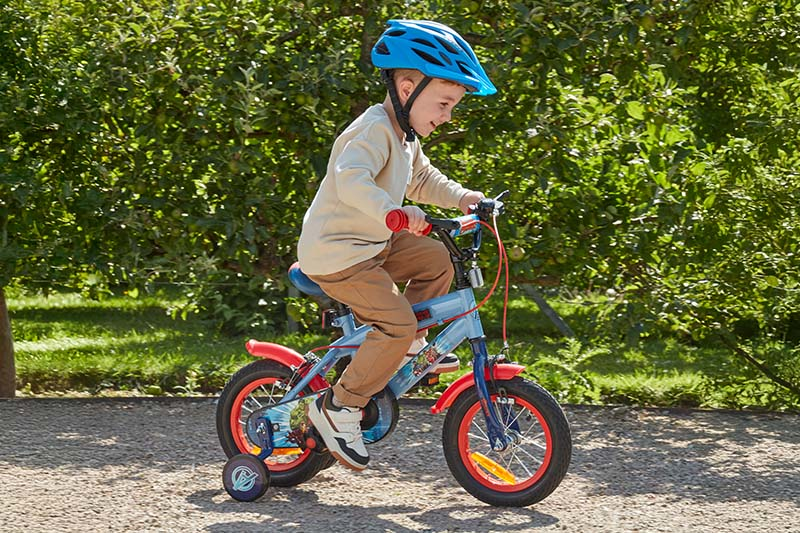
Bikes and scooters lead the way, used by 56% of three to five year olds and 58% of children aged six to twelve, making them the most popular outdoor toys overall.
Ball games are popular with older children, with 49% of six to twelve year olds playing with footballs or other balls, often turning outdoor time into something shared.
For younger children, water play stands out, with 41% of under twos using water toys once the weather improves.
These are favourites for families because they fit easily into everyday life. Bikes and scooters are often the go-to for that extra time outside, whether that’s at the park, along local paths or anywhere there’s space to ride. A ball works anywhere too, whether that’s in a garden, a park or a shared green space.
For younger children, water tables come into their own, especially in smaller outdoor areas like a yard, balcony or garden where they can be set up in the shade. Bigger kids also love the chance to splash around, with paddling pools giving them space to cool down.
Why it’s worth getting kids outside
During the colder months, evenings for kids tend to be spent indoors, with watching TV (51%), using electronic devices (46%) and gaming (38%) taking up most of that time.
More than one in five children say they’d choose screens over playing outside, which shows how appealing that option can be. But when kids spend more time outdoors, the difference is clear:
They’re in a better mood
They spend more time with others,
And they use that time in a more active way.
With lighter evenings, there’s more of a window to make that happen. When getting outside is built around things they already enjoy like bikes, scooters or a quick game of basketball, it becomes a natural part of the day rather than something you have to convince them to do.
Get ready for outdoor play season
Get prepared for extra hours of daylight fun! You can explore a wide range of kids outdoor toys, bikes and garden play equipment like trampolines, swings and slides in our outdoor range.