

Learning through play
Child development

Learning skills for life
Sensory Toy Categories

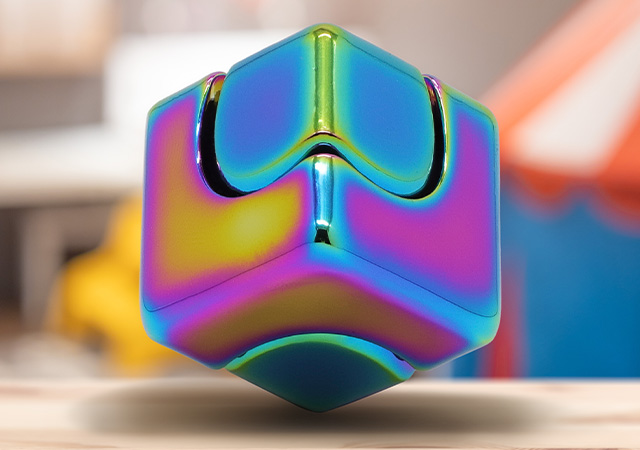

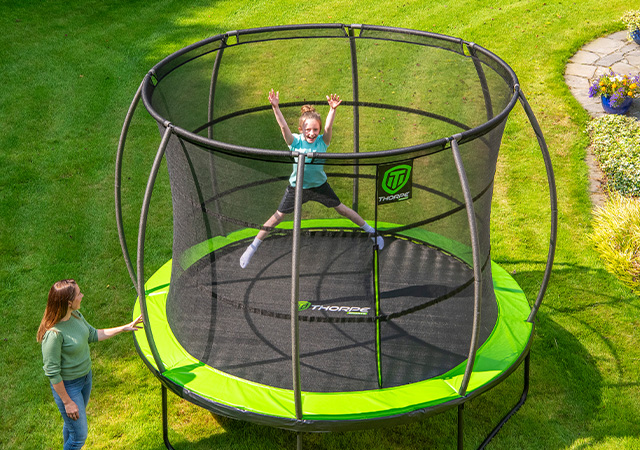
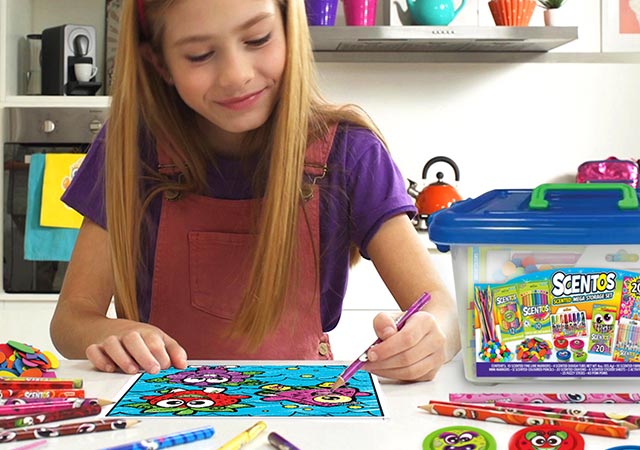
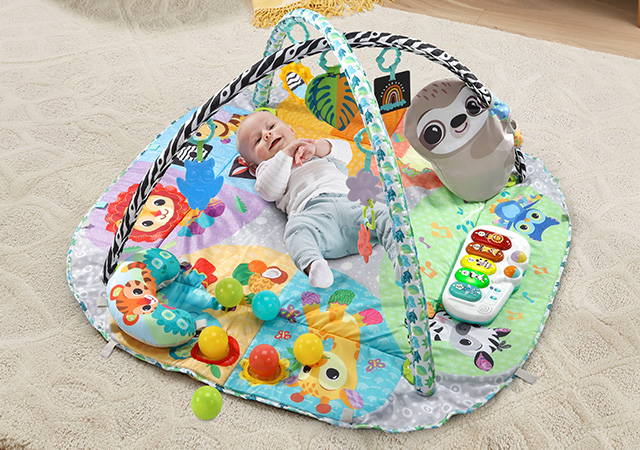
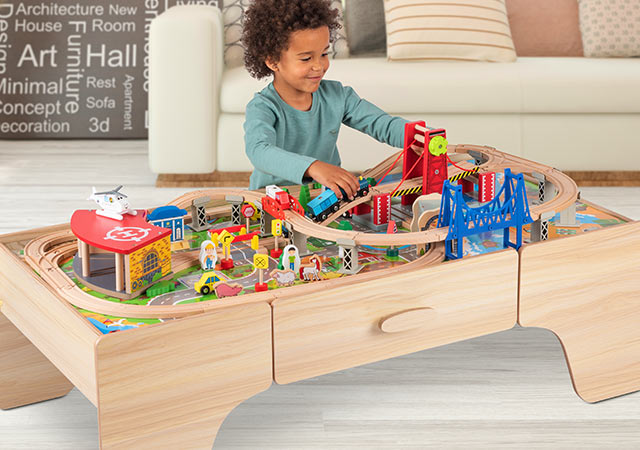
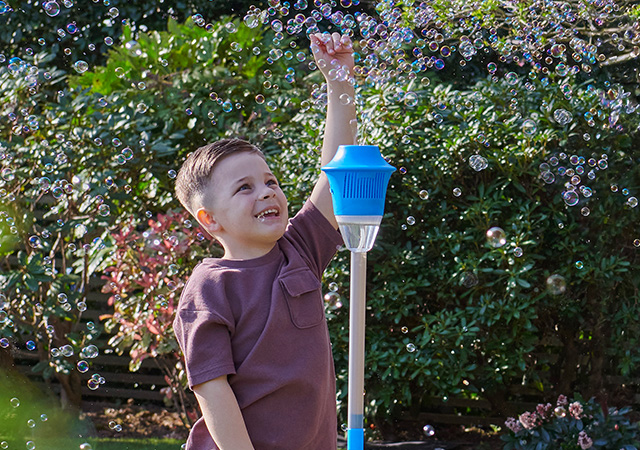
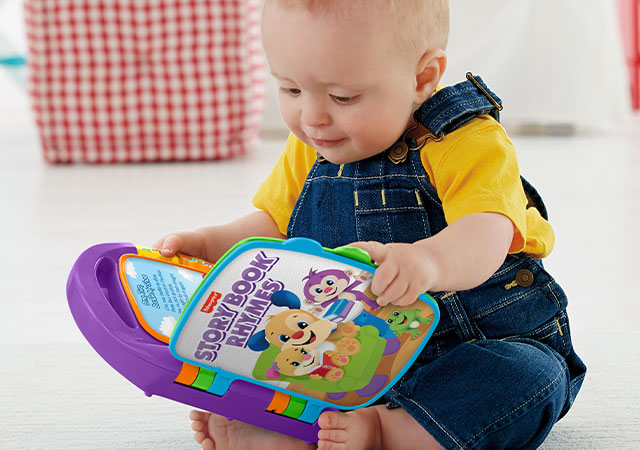
Shop by age


Most Popular Sensory Toys
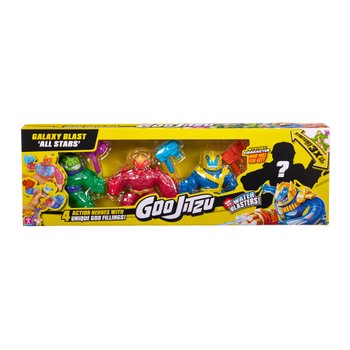
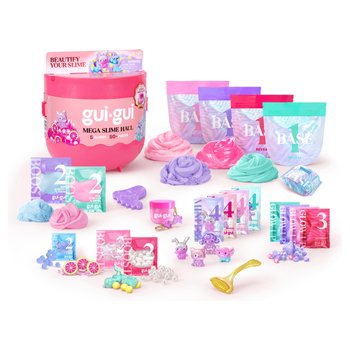
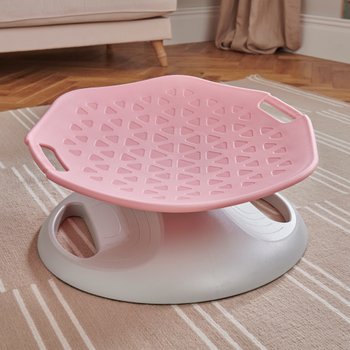
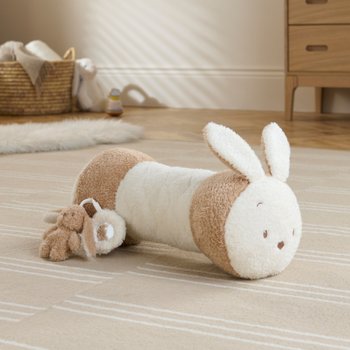

Our Play Therapy Partner

Sensory Toys
Sensory toys are perfect for child development and learning through play. Our sensory toys engage one, two or all the senses.
Sensory play is key to learning and supports focus, creativity and self-worth. The right sensory toys can promote physical and cognitive development, encouraging language, social and emotional skills.
Explore sensory toys for babies, toddlers and kids of all ages with messy play, music, fidget toys and more.
What are Sensory Toys?
Sensory toys encourage play that engages one, two or all of our senses; sight, touch, smell, taste, hearing and movement and balance. Sensory toys give opportunities to build skills like problem solving, sharing, exploring, independence and expression.
Why are Sensory Toys important?
Fosters and supports critical brain development.
Encourages the development of gross and fine motor skills.
Critical in a child's overall play development.
Encourages ‘scientific thinking’ and problem solving.
Can involve mindful activities, which are beneficial for all children.
Builds trust and emotional connections, to enhance communication.
Supports regulation and can provide calming and soothing for a child.