
What to Consider When Buying a Car Seat
By law, all children require a car seat until they reach 135cm in the UK, or 150cm in Ireland.
Height: your child’s height determines the suitability of a car seat. Children must use a rear-facing car seat until 15 months old (at least 76cm in height).


Baby Car Seats | Toddler Car Seats | Child Car Seats | |
|---|---|---|---|
Height Range | 40cm - 76cm | 76cm - 105cm | 100cm - 150cm |
Approx. Age | Birth to 15 Months | 15 Months to 4 Years | 3.5 Years to 12 Years |
Seat Position | Rear-facing | Rear-facing and forward-facing | Forward-facing |
Buying Tips | Also known as ‘infant carriers’. Suitable from birth (approx. 40cm) to 76cm (around 15 months old). These car seats are all rear-facing, the safest way for babies to travel. Many models use ISOFIX installation, with integrated ISOFix connectors or an ISOFix car seat base. If they aren’t using an ISOFIX installation, they need to be secured using a vehicle seatbelt. They are often compatible with travel systems. | Many toddler car seats allow extended rear-facing travel up to 4 years old, often with the option to face forward from 15 months old. Some car seats spin or rotate, making it easy to get your child in and out of the car and transition from rear-facing to forward-facing. These car seats adjust easily so that they can be used across a wide range of heights.
| Older children can still use harnesses, and as their bone structure strengthens, they can use the vehicle seat belts. These seats have seat belt guides fitted along with adjustable head restraints to ensure your vehicle seat belt is positioned correctly around your child. Child car seats may use ISOFIX installation, vehicle seat belt installation, or a combination of both to adapt as children grow. |
Understanding R129 Car Seats
ECE R129 is the most up-to-date European safety standard for car seats, which standardises advanced side-impact protection. R129 tests car seat suitability more accurately based on your child’s height, rather than their age or weight.
Rear-facing seats offer the greatest protection with the maximum safety benefits in an impact. So children must remain in this rear-facing position until they are at least 15 months old.
Rear-Facing Car Seats
Why are Extended Rear-Facing Car Seats Safer?
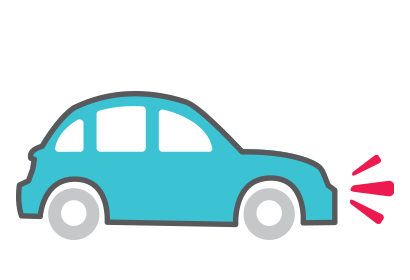
Most crashes occur at the front of the car, or from the side at a front angle.
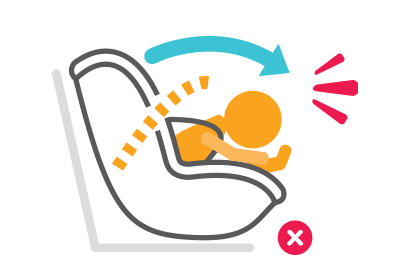
In a crash, a child's body is propelled forward, which can cause severe injury.
Rear-facing car seats securely cocoon a child's body while the seat absorbs the impact.
Rear-facing car seats distribute the force of impact evenly, reducing the risk of injury in a head-on collision by up to 90% compared to a forward-facing seat.
Only move your child out of a rear-facing car seat when they reach the maximum height or weight outlined by the manufacturer, or when their head has crowned the top of the seat.

Less tension on the neck
Caution Ahead
Front Facing Danger
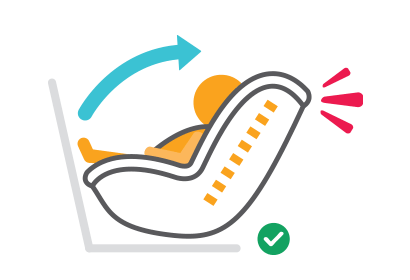
Rearward Facing Safety
Forward-Facing Car Seats
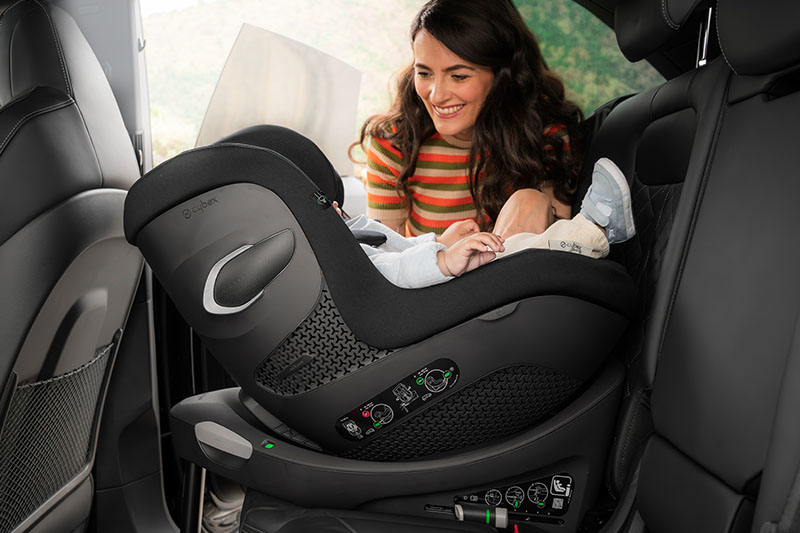
If your child outgrows their rear-facing seat, consider a seat with a 5-point harness or safety shield.
A safety shield, just like a harness distribute the forces in an impact over a greater area, reducing the strain on key areas of the body such as the neck and spine.

Reduced strain on the body and neck

Secure and comfortable

High crash test scores

Quick and easy installation
FREE Car Seat Fitting*
Our in-store baby experts receive comprehensive training to understand the most up-to-date safety regulations, with specialist product knowledge to provide a professional car seat fitting service.
*Visit your local store for more details on this service. When you buy your car seat from The Baby Room at Smyths Toys, one of our fully trained and accredited nursery experts can demonstrate how to correctly fit it in your vehicle, so you can fully understand how it works. Our nursery experts are fully trained and certified to check and demonstrate the fitting of car seats from our product range only.
Frequently Asked Questions
What is ISOFix?
ISOFix is an internationally standardised car seat fitting system, which secures the car seat directly into your vehicle using anchor points and connectors.
ISOFix car seats feature built-in connectors for secure installation, while other seats may be compatible with an ISOFix seat base, providing the same benefits.
ISOFix compatible vehicles have ISOFix anchor points hidden at the base of the rear seat cushions. Not all vehicles are ISOFix compatible. To check if your car is ISOFix compatible, refer to your vehicle’s manual. Manuals may refer to ISOFix as ‘LATCH’.
Are ISOFix Car Seats safer than Belt-Fitted Car Seats?
ISOFix installation helps reduce the risk of error when installing a car seat.
There is no difference in safety between an ISOFix car seat and a belt-fitted car seat when your car seat is fitted correctly.
What is an i-Size Car Seat?
Some R129 seats may also be called i-Size. This simply helps you to identify if your car seat and vehicle are compatible. Look for the i-Size logo on your vehicle’s passenger seats, and on your child’s car seat. If they both display the i-Size logo, they will fit together easily.
Like R129 seats, i-Size car seats measure suitability by your child’s height, and offer enhanced side-impact protection. Not all R129 seats feature i-Size compatibility, and not all car seat positions may be i-Size compatible.
Always refer to your vehicle manual and your car seat manual for compatibility and installation guidelines. i-Size car seats often feature an ‘i’ in their name. You can also check if a car seat is i-Size compatible by referring to the orange safety label on the seat.
What Does a Load Leg Do, and Why Do You Need One?
A car seat load leg, also known as a support leg or prop leg, is an extendable leg that is used in addition to your ISOFix points when installing the child seat into your vehicle. This support leg extends from the base of your car seat to the floor of your vehicle, stabilising and securing the car seat.
In a collision, the load leg absorbs impact and directs it through the car seat and your vehicle’s floor, preventing seat movement and reducing strain on your child.
If your vehicle has underfloor storage compartments, check your vehicle’s manual to ensure you can safely use a load leg. The lid of the compartment may not be strong enough.
What about Booster Seats?
High back booster seats are designed for children who have outgrown the maximum height/weight of their harness or shield. The child is secured using the vehicle seat belt rather than the harness or shield.
High-back booster seats offer enhanced side-impact protection, comfort and seat belt guidance, using integrated belt guides to keep the seat belt in place.
Children must be 125cm tall and weigh 22kg to use a backless booster seat. As kids grow, backless booster seat cushions provide comfort and support, while securely positioning the seat belt with space to grow.
Safety Tips
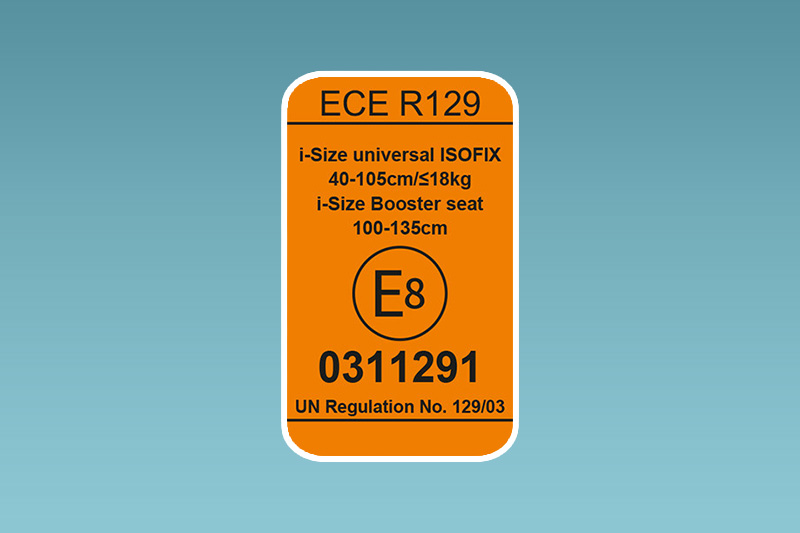
In Europe and the UK, all car seats legally require an orange safety label that guarantees they have been tested, and comply with European safety standards. You may find this safety label on either side of your car seat, or along the underside of the base.
This label will confirm whether the car seat meets R129 standards, and the car seat’s weight group (the manufacturer’s maximum user weight range).
Car seat manuals contain important information, including installation instructions. Always read these instructions carefully, and retain them for future reference.
Your manual may also include the car seat’s recommended lifespan, as determined by the manufacturer. This refers to how long the manufacturer advises the item should be used.
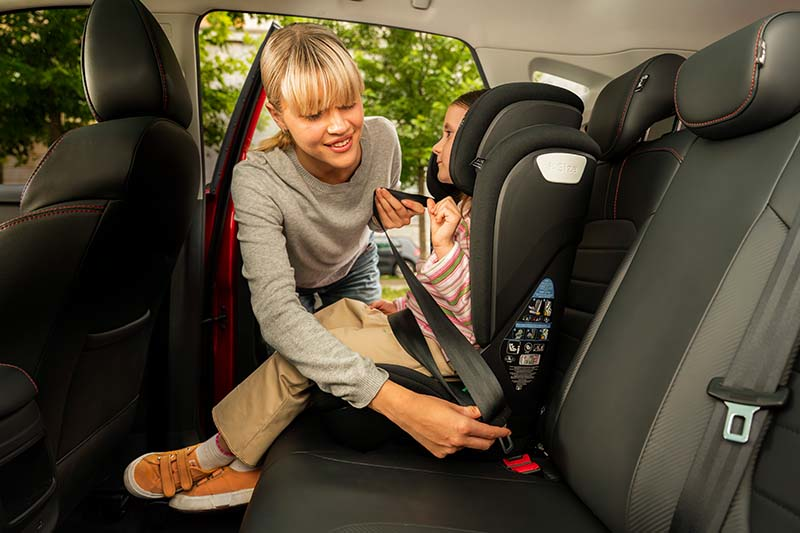
Always follow the manufacturer’s guidelines.
Never buy or use a second-hand car seat. There will be no record of whether the seat was damaged in an accident.
Car seats are for use in vehicles, never for use as a feeding chair or sleeping pod.
If you have a newborn baby, use the seat for as little time as possible. Remove your little one from their seat when you stop your car to allow them to stretch and wriggle.
For older children, take regular travel breaks and let them move around before continuing your journey.
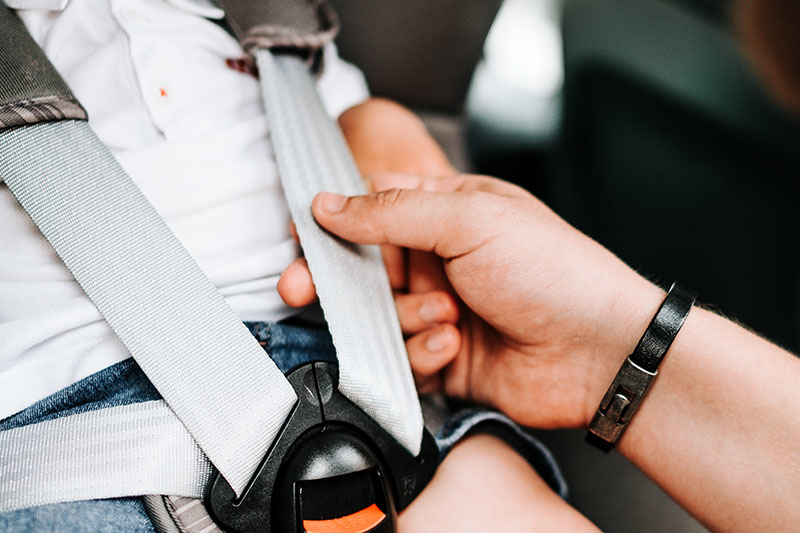
Correctly Fitting a Car Seat Harness: The Pinch Test
Always tighten the harness until you can't pinch any excess strap material. If you can pinch the harness between your finger and thumb, tighten the harness strap until you can't.
Your child should wear indoor clothes in the car to make sure their harness is securely fastened. You’ll need to remove any thick coats or jumpers, as these can prevent the harness from fitting tightly and correctly around your child.