
How to beat summer holiday boredom: The perfect day for every age

Six weeks is a long time to keep children entertained, especially once the excitement of breaking up from school starts to wear off. But according to Dr Jemma Anderson, Chartered Educational Psychologist and founder of Perceptive, boredom isn't something parents need to avoid altogether. Giving children opportunities to work out what they'd like to do next helps develop creativity, problem-solving and independence, so the goal isn't to entertain them every minute of the day, but to provide enough inspiration for them to create their own fun.
With that in mind, we've created the perfect boredom-busting day for three different age groups. Rather than following a strict timetable, these ideas are designed to be mixed and matched throughout the day, with indoor and outdoor play options to suit the weather, your child's energy levels and whatever they're in the mood for.
A balanced day is better than a busy day
When school finishes, children suddenly lose the routine they've followed for months. The predictable rhythm of lessons, breaktimes and lunchtime disappears, leaving long stretches of unstructured time that can feel exciting at first but challenging after a few days.
Instead of trying to plan every hour, Dr Anderson recommends using her PLAY Formula as a simple guide.
P - Physical activity: Running, climbing, riding and active play.
L - Learning through play: Building, creating, role play and imaginative activities.
A - Autonomous play: Giving children opportunities to make their own choices and direct their own play.
Y - Your people: Spending quality time with family and friends.
The perfect summer day for 3 to 5 year olds
For younger children, the best days often have a gentle rhythm rather than a packed schedule. Dr Jemma Anderson explains that children aged three to five benefit from regular opportunities to move, create and explore, while familiar mealtimes, rest and bedtime routines continue to provide an important sense of security.
With our research showing this age group naturally moves between activities every 6 to 25 minutes, keeping a few different ideas ready can help the day flow without anyone feeling under pressure.
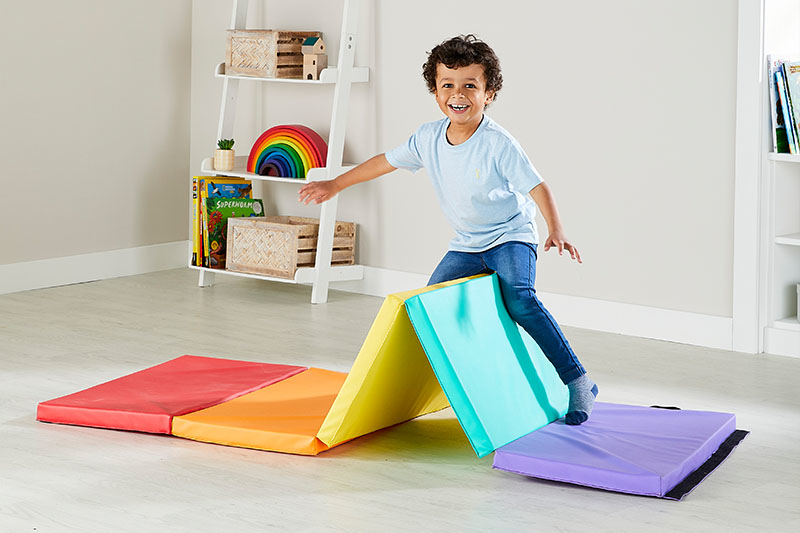
Start the day with imaginative play
Mornings are often a great time to encourage role play while little imaginations are fresh. Whether they're serving breakfast from a toy kitchen, looking after poorly teddies with a doctor's set or creating adventures with dolls and figures, open-ended play lets children take the lead and build confidence through their own ideas.
If you're heading outdoors: Take the imagination into the garden by taking a World’s Softest Plush for a picnic or a bug hunt. Giving children a simple challenge, like finding five different leaves or spotting colourful flowers, can quickly turn a familiar outdoor space into an adventure.
If you're staying indoors: Create a role play corner or build a small world using a play kitchen, figures or vehicles. The less structured the activity, the more likely children are to invent their own stories or use the Play Factory range to create a sensory space.
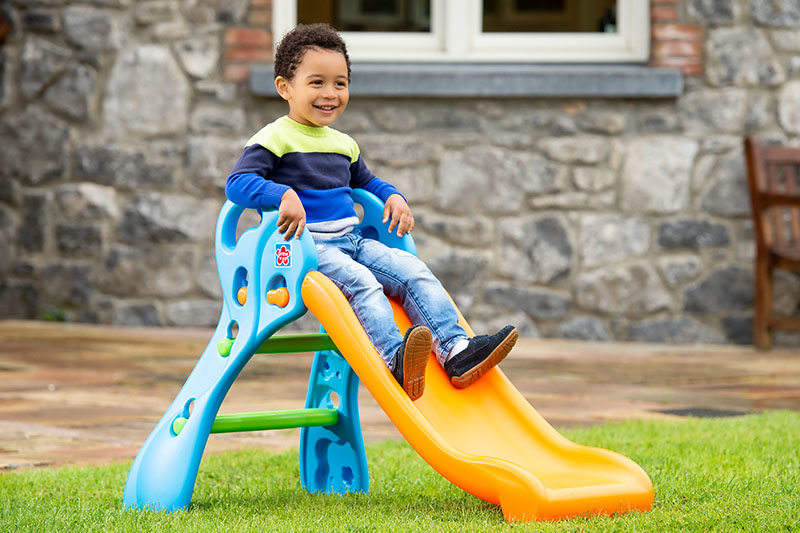
Burn off some energy before lunch
Once they've had time to focus, most children are ready to move. Physical play helps children regulate their emotions, develop coordination and use some of that seemingly endless energy before lunch.
If you're heading outdoors: Water tables, paddling pools, ride-ons, slides or a visit to the local park all provide opportunities to run, climb and explore while making the most of the summer weather.
If you're staying indoors: Put on some music for a dance party, or train your balance with the Stay Active Balance Board Electronic Game. If that doesn’t burn enough energy, a simple obstacle course with cushions or playing games like "the floor is lava" will help keep everyone active and engaged.
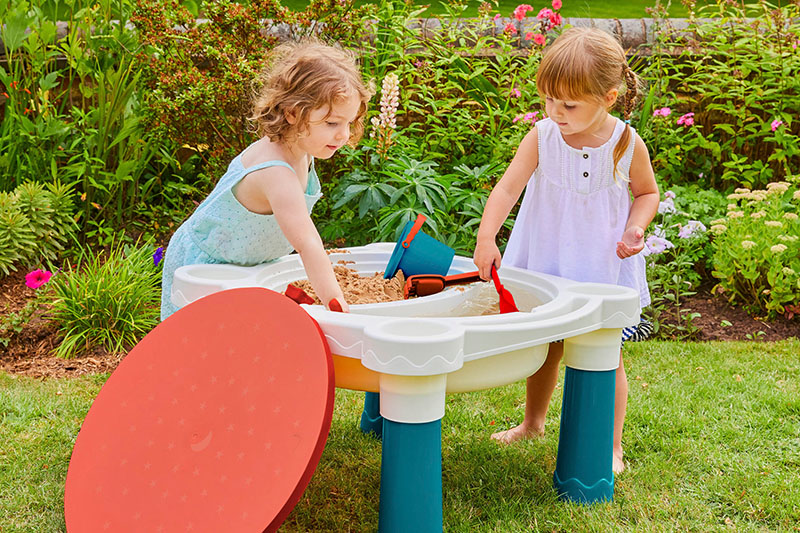
Slow things down after lunch
After lunch can be a good opportunity to switch from high-energy play to activities that encourage concentration and creativity without expecting children to sit still for too long.
If you're heading outdoors: Water play, sand play or collecting natural materials for crafts all encourage children to explore through their senses while enjoying some fresh air.
If you're staying indoors: Arts and crafts, Play-Doh, drawing, sensory toys and magnetic building sets are all great ways to keep little hands busy while supporting creativity and problem-solving. The Crafty Co. Drawing Robot is great for providing a starting point, whilst the Crayola Colour Wonder Magic Light Brush Set is ideal for kids who would prefer to simply let their creativity loose.
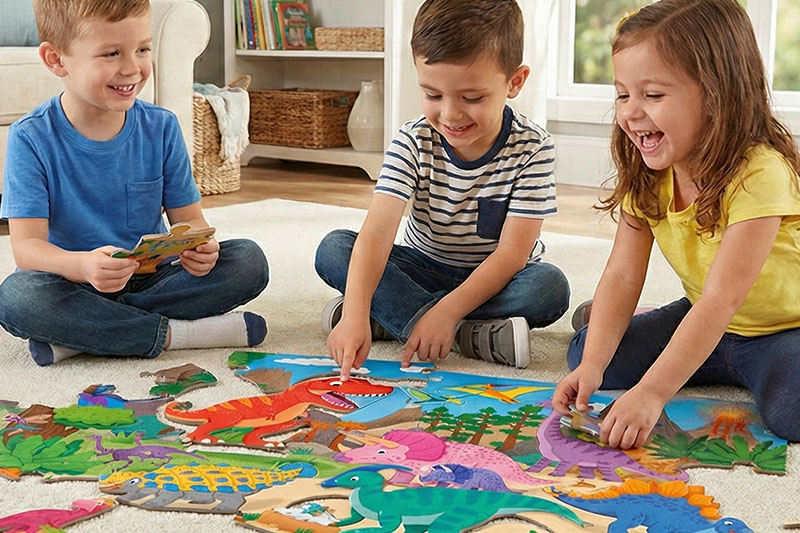
End the day together
As bedtime gets closer, quieter family activities help children wind down while giving everyone the chance to reconnect after a busy day. Reading stories together, building a simple puzzle or chatting about everyone's favourite part of the day can become part of a familiar evening routine, helping younger children settle before bed while ending the day with quality time together.
The perfect summer day for 6 to 8 year olds
By the time children reach six to eight years old, they're often ready for a little more independence. They can usually stay focused on activities for longer, with our research showing attention spans averaging between 12 and 40 minutes.
According to Dr Jemma Anderson, children in this age group benefit from a balance of adult-led and child-led activities, with plenty of opportunities to make choices, solve problems and let their creativity shine.
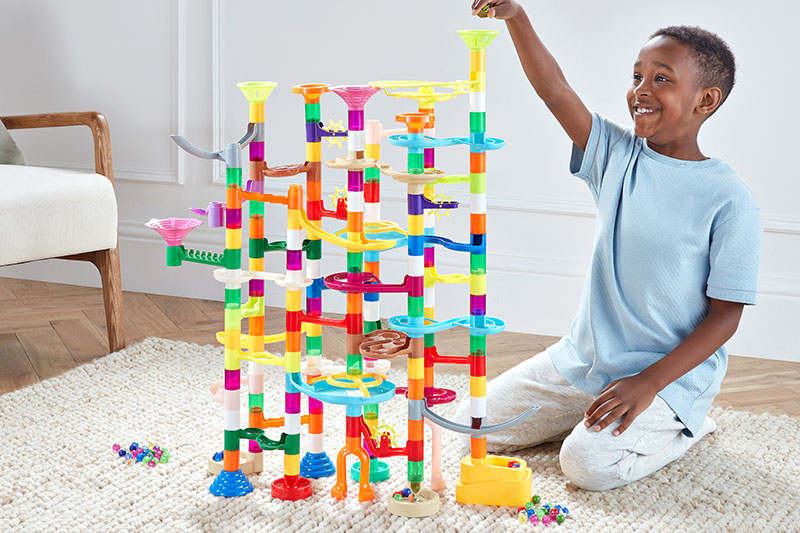
Start the day with a creative challenge
After breakfast is a great time to get curious minds working. Children at this age often enjoy activities with a clear goal or challenge, but still like having the freedom to experiment and find their own way to the finish.
Building sets, marble runs, craft kits or slime making activities all encourage creativity while helping children develop problem-solving skills and confidence through play.
If you're heading outdoors: Take the challenge into the garden by building a den, creating nature art or setting up a scavenger hunt with clues to solve along the way.
If you're staying indoors: Construction toys, arts and crafts or STEM activities give children the chance to create, experiment and keep their minds engaged.
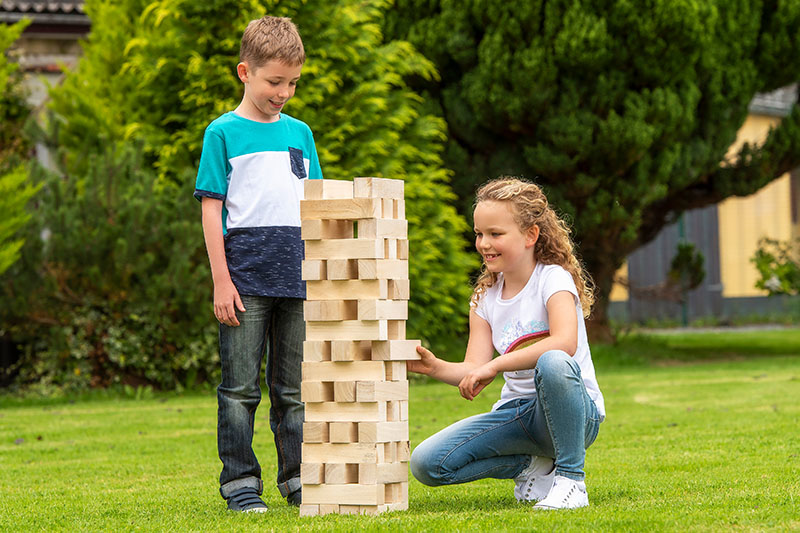
Get everyone moving
After spending time concentrating, it's often time to burn off some energy. Whether they're playing with siblings, friends or the whole family, children aged six to eight usually enjoy active games that mix movement with a little friendly competition.
If you're heading outdoors: Sports balls, garden games, bikes and scooters are all fantastic ways to stay active, while local parks are perfect for climbing, running and exploring together.
If you're staying indoors: Dance mats, family challenge games or creating your own mini sports day using balloons and soft balls can keep everyone moving without needing much space.
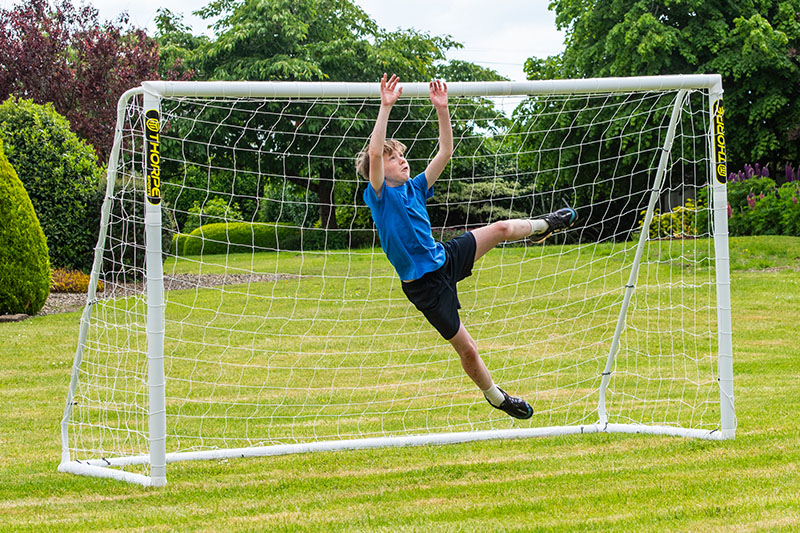
Encourage a new hobby
With fewer after-school clubs and more free time, the summer holidays are the perfect opportunity to discover a new interest. Whether it's something they stick with for years or simply enjoy for an afternoon, trying different activities helps children build confidence and discover what they enjoy most.
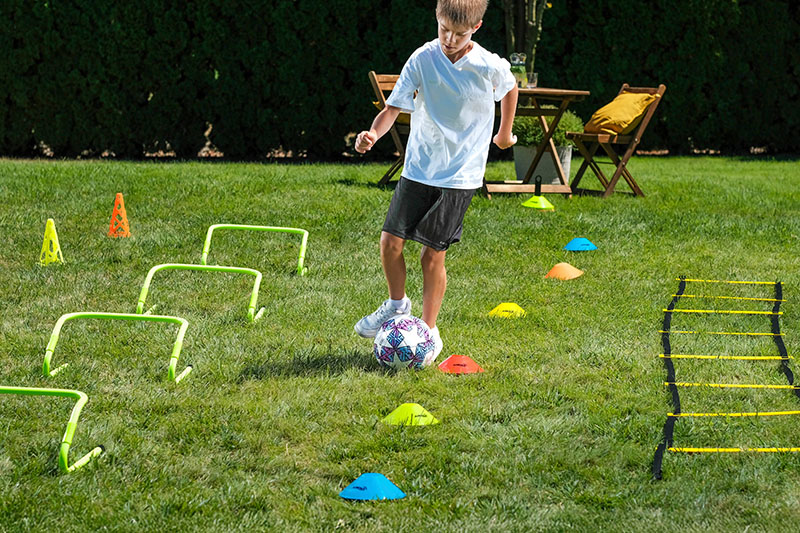
If you're heading outdoors: Practise football skills, learn a new dance routine in the garden or create a family obstacle course.
If you're staying indoors: Coding toys, craft projects, science kits or creative building challenges all encourage curiosity while still feeling like fun rather than learning.
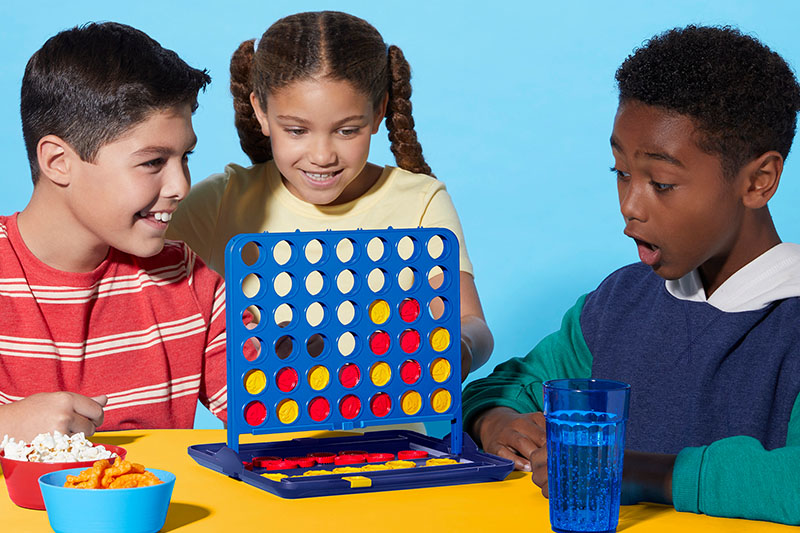
Bring everyone together
As children become more confident entertaining themselves, it can be easy for everyone to drift off and do their own thing. Setting aside a little time to play together helps families reconnect and gives children valuable opportunities to chat, laugh and work together.
Whether that's a board game after dinner, a family quiz, a card game or simply talking about everyone's favourite part of the day, these quieter moments are just as important as the bigger adventures earlier on.
The perfect summer day for 9 to 11 year olds
By the time children reach nine to eleven, they're often looking for more independence. They still enjoy spending time together as a family, but they're also developing their own interests and like having more say over how they spend their day.
Dr Jemma Anderson recommends offering a menu of activities rather than planning everything for them, giving children the freedom to choose while still creating opportunities to connect with family and friends.

Start with something that sparks their curiosity
Older children are often ready to get stuck into activities that challenge them a little more. Whether it's building, experimenting or creating, giving them something that encourages problem-solving is a great way to start the day.
If you're heading outdoors: Set up a nature photography challenge, a scavenger hunt or an obstacle course they can design themselves before tackling it with friends or siblings.
If you're staying indoors: STEM or art kits, science experiments, coding activities and creative building sets all encourage children to think critically while having fun.
Let them take the lead
One of the biggest changes at this age is growing independence. Rather than deciding what's happening next, give children a few different options and let them choose. It helps build confidence, decision-making skills and a sense of ownership over their day.
If you're heading outdoors: Encourage them to organise a football kickabout, bike ride or garden game with friends or siblings.
If you're staying indoors: Let them choose between creative projects, strategy games, reading or building challenges, giving them the freedom to decide what interests them most.
Make time for friends and family
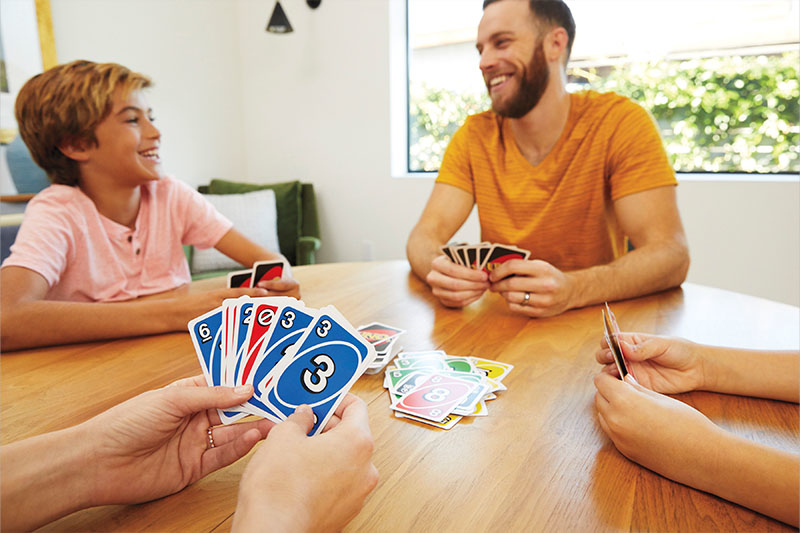
School holidays can mean children see less of the friends they spend most of the year with, so creating opportunities to socialise can make a real difference. Whether it's inviting friends over or organising activities the whole family can enjoy, shared experiences remain an important part of a balanced summer.
If you're heading outdoors: Laser tag, football, water games or team challenges are all brilliant ways to stay active while spending time together.
If you're staying indoors: Board games, Beyblade tournaments, card games or collaborative challenges offer plenty of friendly competition without needing to leave the house.

End the day by slowing things down
Even older children benefit from having a familiar way to end the day. After a busy afternoon, quieter activities help everyone relax and provide a chance to reflect on the day's adventures before bed.
Whether that's watching the sunset in the garden, playing a final family game or simply chatting about the highlights of the day, these moments of connection are often the ones children remember long after the summer holidays have ended.
Get ready for a summer of play
Every child is different, and even the same child will want different things from one day to the next. Some mornings they'll happily spend hours building, drawing or inventing games. Other days they'll want to head straight outside, burn off some energy and come home covered in grass stains.
Whether your child is three or eleven, having a mix of outdoor toys, creative activities, games and independent play ideas ready means you can spend less time thinking of ways to beat boredom and more time enjoying the summer together.